
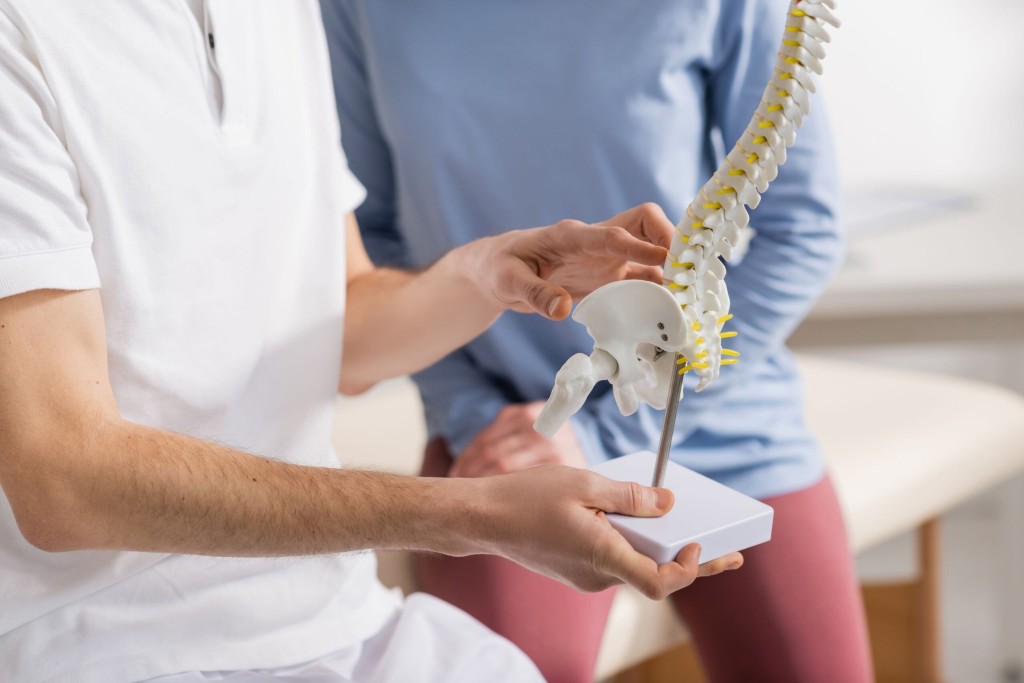
Living with back or neck pain can affect nearly every part of daily life. Simple activities such as walking, sitting, working, exercising, or sleeping may become difficult when a spinal injury causes ongoing discomfort. For people dealing with herniated discs, spinal stenosis, sciatica, or other spine conditions, finding the right specialist is an important step toward better health and mobility.
Choosing the Best Spine Surgeon in Los Angeles is not only about finding a highly trained doctor. It is also about finding a specialist who understands your condition, explains your treatment choices clearly, and recommends surgery only when it may provide a meaningful benefit. A good spine surgeon considers your symptoms, medical history, imaging results, lifestyle, and long-term goals before creating a treatment plan.
Los Angeles has many experienced orthopedic spine surgeons and neurosurgeons who treat complex spinal conditions. Because every injury is different, the ideal surgeon for one patient may not be the right choice for another. Understanding how spine injuries are diagnosed and treated can help you make a more informed decision.
Understanding Disc and Spine Injuries
The spine is a complex structure made of bones called vertebrae, flexible discs, joints, nerves, ligaments, and muscles. Together, these parts support the body, allow movement, and protect the spinal cord. When one part becomes damaged or irritated, it can lead to pain, weakness, numbness, or reduced movement.
One of the most common problems is a herniated disc. Spinal discs sit between the vertebrae and work as cushions that absorb pressure. A disc can become worn, torn, or displaced over time or after an injury. When the inner material pushes through the outer layer, it may irritate a nearby nerve. This can cause pain that travels from the lower back into the buttock and leg, commonly known as sciatica.
A bulging disc is another common spinal condition. It occurs when a disc extends beyond its normal space but does not necessarily rupture. Some people have bulging discs without symptoms, while others experience significant pain when a disc places pressure on a nerve.
Degenerative disc disease can also contribute to chronic back or neck pain. Despite its name, it is not always a disease in the traditional sense. It often describes age-related changes in the spinal discs. As discs lose water and flexibility, they may become less effective at absorbing stress. This can lead to stiffness, pain, and changes in spinal movement.
Spinal stenosis is another condition that may require evaluation by a spine specialist. It happens when the spaces around the spinal cord or nerves become narrower. This can place pressure on nerves and may cause leg pain, numbness, weakness, or difficulty walking. In the lower back, symptoms may become worse after standing or walking for a period of time.
Other conditions treated by spine specialists include spinal fractures, scoliosis, spondylolisthesis, spinal deformities, pinched nerves, spinal cord compression, and certain traumatic injuries. Some conditions can improve with nonsurgical care, while others may require a surgical solution.
Understanding the exact cause of your symptoms is therefore essential. Back pain alone does not always mean that surgery is needed. A qualified Best Spine Surgeon in Los Angeles should first determine whether your symptoms are connected to a specific spinal problem and whether surgery is likely to help.
When Should You See a Spine Surgeon?
Not every episode of back or neck pain requires a surgical consultation. Many minor injuries improve with rest, physical therapy, medication, activity changes, and other conservative treatments. However, persistent or severe symptoms may justify an evaluation by a spine specialist.
You may consider seeing an orthopedic spine surgeon or neurosurgeon when pain continues despite appropriate nonsurgical treatment. A consultation may also be helpful when symptoms interfere with normal activities, work, sleep, or exercise. Pain that repeatedly returns or gradually becomes worse should also be evaluated.
Nerve-related symptoms deserve special attention. Numbness, tingling, burning pain, or weakness in an arm or leg can sometimes indicate nerve compression. For example, a cervical disc problem may cause symptoms that travel into the shoulder, arm, or hand. A lumbar disc problem may cause pain, numbness, or weakness in the buttock and leg.
Certain symptoms require prompt medical attention. New or worsening weakness, significant loss of sensation, difficulty controlling the bladder or bowel, or numbness around the inner thighs and groin area can be signs of a serious spinal problem. These symptoms should not be ignored and may require urgent medical evaluation.
During a spine consultation, the surgeon typically reviews your symptoms and medical history and performs a physical examination. Imaging may be used to understand the condition of the spine. Depending on the situation, an X-ray, MRI, CT scan, or other diagnostic test may provide useful information.
An MRI is especially helpful for examining soft tissues such as discs and nerves. It can show a herniated disc, spinal stenosis, nerve compression, or other abnormalities. However, imaging results must be interpreted alongside symptoms and physical findings. An abnormal MRI does not automatically mean surgery is necessary.
A strong spine specialist should explain what the imaging shows in simple language. You should understand what is causing your symptoms, what treatment options are available, and what could happen if you choose conservative treatment instead of surgery.
The goal of a consultation should not simply be to identify a surgical procedure. It should be to identify the safest and most effective path toward improved function and quality of life.
How the Best Spine Surgeon in Los Angeles Approaches Treatment
A quality spine treatment plan begins with an accurate diagnosis. The Best Spine Surgeon in Los Angeles should look beyond the location of your pain and determine why the pain is occurring. This is important because several different spinal conditions can create similar symptoms.
Many patients can benefit from nonsurgical treatment. Physical therapy may improve strength, flexibility, posture, and movement patterns. Anti-inflammatory medications or other prescribed medicines may help control pain for some patients. Depending on the diagnosis, targeted injections may also be considered to reduce inflammation around an irritated nerve.
Lifestyle changes can play a role as well. Maintaining a healthy weight, using proper body mechanics, staying active within safe limits, and following a structured exercise program may support spinal health. Your treatment plan should be based on your specific condition rather than a one-size-fits-all approach.
Surgery may become an option when conservative treatment does not provide enough relief, when a nerve is significantly compressed, or when a structural problem requires correction. The specific procedure depends on the diagnosis.
Discectomy is commonly used for certain herniated discs. During this procedure, the surgeon removes the portion of disc material that is pressing on a nerve. The goal is to relieve nerve pressure and improve symptoms.
Spinal decompression procedures are used for conditions such as spinal stenosis. The surgeon removes or reshapes structures that are narrowing the space around the nerves or spinal cord. Depending on the patient’s condition, decompression may be performed alone or with another procedure.
Spinal fusion is another type of spine surgery. It is designed to stabilize certain spinal segments by joining two or more vertebrae. Fusion may be considered for selected cases involving instability, deformity, or other structural problems.
Minimally invasive spine surgery has also become an important part of modern spinal care. These techniques may use smaller incisions and specialized instruments to reach the affected area. For appropriate patients, minimally invasive procedures may reduce tissue disruption and support recovery. However, minimally invasive surgery is not automatically better for every condition. The correct procedure depends on the patient’s diagnosis.
A trustworthy surgeon should explain the expected benefits, possible risks, alternatives, recovery process, and realistic outcomes before surgery. You should also have the opportunity to ask questions and understand why a particular procedure is being recommended.
Experience matters, but communication matters too. The right surgeon should make you feel comfortable discussing your concerns and should never make you feel pressured into an operation.
What to Look for When Choosing a Spine Surgeon in Los Angeles
Los Angeles is home to a large medical community, which gives patients access to many spine care options. At the same time, having many choices can make it difficult to know where to begin.
One important factor is professional training. Look for a surgeon who has appropriate education and specialized training in spine surgery. Depending on the condition, an orthopedic spine surgeon or neurosurgeon may be qualified to treat the problem. Board certification and specialized fellowship training can also provide useful information about a physician’s professional background.
Experience with your particular condition is another consideration. A surgeon who regularly treats herniated discs may have a different focus from one who primarily treats complex spinal deformities or traumatic injuries. Ask whether the physician frequently treats conditions similar to yours.
Hospital and surgical facility standards are also worth considering. A qualified medical team, modern diagnostic technology, appropriate surgical equipment, and strong safety practices can all contribute to quality care.
Communication should be part of your decision. During your consultation, notice whether the surgeon listens carefully and explains your diagnosis in understandable terms. You should be able to ask about nonsurgical alternatives, surgical risks, expected recovery time, and what results you can realistically expect.
A second opinion can also be useful, particularly when major spine surgery has been recommended. Getting another professional perspective does not mean that you distrust your first doctor. It can simply help you better understand your choices before making an important decision.
Patient reviews may provide insight into communication and office experiences, but they should not be the only factor in choosing a surgeon. Online reviews cannot replace professional qualifications, medical evaluation, or a discussion about your individual condition.
It is also important to understand insurance coverage, hospital privileges, consultation fees, and other financial details before treatment. Ask the medical office what your insurance plan covers and whether additional costs may apply.
Ultimately, the Best Spine Surgeon in Los Angeles for you should be someone whose training and experience match your condition and whose treatment approach fits your medical needs. A good surgeon should focus on your overall health rather than simply recommending the most advanced or most expensive procedure.
Preparing for Spine Treatment and Recovery
Preparing for treatment begins with understanding your diagnosis. Before making a decision, make sure you know which part of the spine is affected, whether nerves are involved, and why a specific treatment has been recommended.
Bring your medical records and imaging reports to your consultation when possible. A list of current medications and previous treatments can also help the surgeon understand your medical history. Tell your doctor about previous surgeries, injuries, and treatments that have or have not helped.
If surgery is recommended, ask about the recovery process. Recovery varies depending on the procedure, the patient’s general health, the severity of the spinal condition, and other factors. Some people return to light activities relatively quickly, while more complex procedures may require a longer recovery period.
Physical therapy may be part of recovery after spine surgery. A therapist can guide you through exercises designed to improve mobility, strength, balance, and safe movement. Following the rehabilitation plan is often an important part of achieving the best possible functional outcome.
Your surgeon may also provide instructions about lifting, driving, exercise, sleeping positions, wound care, and returning to work. These instructions should be followed carefully, because doing too much too soon may interfere with recovery.
It is also important to have realistic expectations. Spine surgery is intended to address specific problems, such as nerve compression or spinal instability. It may reduce pain and improve function, but no surgery can guarantee a perfect result. Every procedure carries potential risks, including infection, bleeding, nerve injury, blood clots, anesthesia complications, or the possibility that symptoms may persist or return.
A responsible surgeon will discuss these risks before treatment. Understanding both benefits and risks allows you to make a decision based on informed consent rather than unrealistic promises.
Long-term spine health also depends on what happens after treatment. Maintaining appropriate physical activity, practicing good posture and body mechanics, following rehabilitation advice, and protecting the back during lifting can help support overall spinal function.
For people with disc injuries and chronic back or neck pain, choosing a qualified specialist can make the treatment journey easier to understand. Whether the recommended approach is physical therapy, medication, injections, minimally invasive surgery, or a more complex procedure, the goal should be to provide care that matches the patient’s condition and personal needs.
Finding the Best Spine Surgeon in Los Angeles should therefore involve more than searching for a name online. Consider specialized training, experience, communication, treatment philosophy, facility quality, and the surgeon’s willingness to explain all reasonable options. A thoughtful evaluation can help you feel more confident about the next step.
Conclusion
Disc and spine injuries can affect movement, comfort, work, sleep, and everyday life. While many spinal problems can improve without surgery, persistent pain, nerve symptoms, or serious structural conditions may require evaluation by an experienced spine specialist.
The Best Spine Surgeon in Los Angeles for your situation should offer a careful diagnosis, explain treatment options clearly, and consider conservative care before recommending surgery when appropriate. Specialized training, experience with your condition, strong communication, and a patient-focused approach are all important factors.
Whether you are dealing with a herniated disc, spinal stenosis, sciatica, degenerative disc disease, or another spinal condition, an informed decision is an important part of your care. Take time to understand your diagnosis, ask questions, consider a second opinion when appropriate, and discuss both the benefits and risks of treatment.
The right spine care approach is not simply about eliminating pain as quickly as possible. It is about protecting your health, improving function, and helping you move forward with a treatment plan that fits your individual needs.