
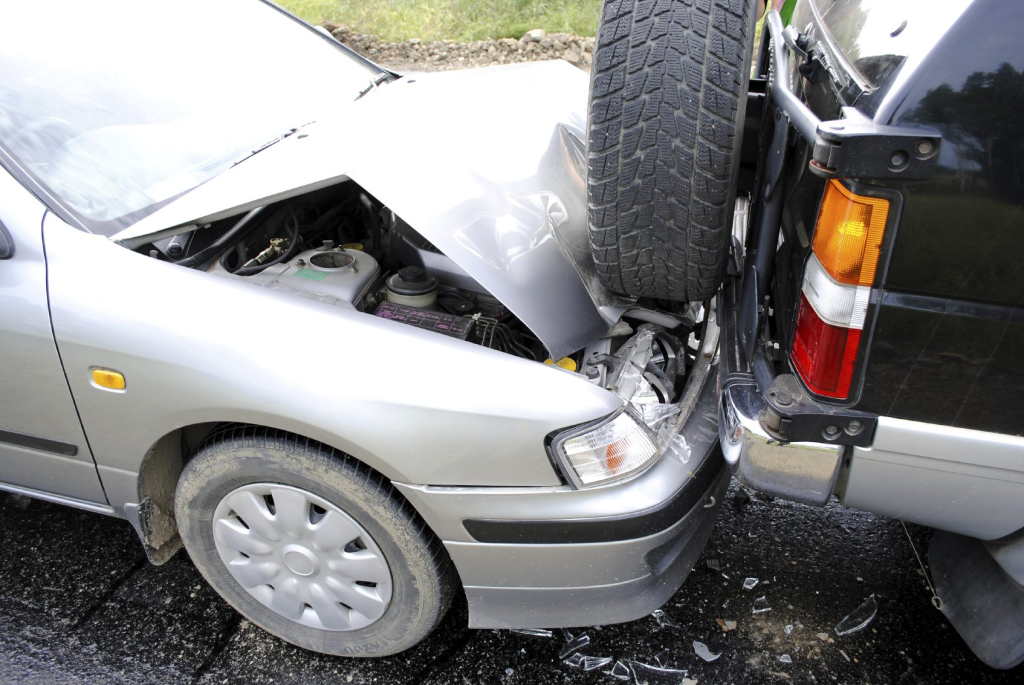
A serious car accident can change your life in a matter of seconds. A normal drive can turn into a stressful period filled with medical appointments, vehicle repairs, insurance calls, lost income, and difficult decisions. If another driver caused the crash, you may have the right to seek compensation for the harm you suffered. Understanding those rights can help you make informed choices during a challenging time.
A Car Accident Lawyer in Maine can help you understand your legal options, deal with insurance companies, gather evidence, and pursue a fair settlement when another party is responsible. Maine personal injury law can involve important deadlines and rules, so taking action early may protect your ability to recover compensation.
Whether you suffered broken bones, a head injury, back pain, emotional distress, or damage to your vehicle, it is important to understand what steps can protect your interests. This guide explains the basics of car accident claims in Maine, the types of compensation that may be available, and how an experienced attorney can help after a serious collision.
Understanding Your Rights After a Maine Car Accident
After a serious crash, your first concern should be safety and medical care. If you are able, move to a safe location and contact emergency services. A police report can provide an important record of what happened, while medical records can document injuries that may not be obvious immediately after the collision.
Maine drivers have legal responsibilities when using the road. When a driver acts carelessly or recklessly and causes an accident, the injured person may be able to pursue a personal injury claim. Common examples of negligent driving include speeding, distracted driving, following too closely, running a red light, failing to yield, and driving while impaired.
A car accident claim generally depends on proving that another party was legally responsible for the crash and that the accident caused actual harm. Evidence can include photographs, witness statements, traffic-camera footage, vehicle damage, police reports, medical records, and other documentation.
It is also important to understand that fault can sometimes be shared. Maine follows a modified comparative negligence rule. In general, an injured person may recover damages if their percentage of fault does not exceed the applicable legal threshold, but the amount recovered can be reduced based on their share of responsibility. Because the details of fault can be complicated, speaking with a Car Accident Lawyer in Maine can help you understand how the rule may affect your specific situation.
Insurance coverage is another major part of the process. Maine requires certain automobile insurance coverage, but the amount and type of available insurance can vary depending on the circumstances. A claim may involve the at-fault driver’s insurer, your own insurance company, or potentially other insurance policies.
You should be careful when discussing the accident with an insurance adjuster. Insurance companies are businesses, and an adjuster may try to determine whether a claim can be reduced or denied. Providing inaccurate information or making statements about your injuries before you understand their full impact can create problems later.
You also have the right to seek legal advice before accepting a settlement. An early settlement offer may look attractive when medical bills are arriving, but it may not account for future treatment, lost earning ability, continuing pain, or other losses. Once a settlement is accepted and released, obtaining additional compensation can be difficult or impossible.
What Compensation May Be Available After a Serious Collision
The financial impact of a serious motor vehicle accident can extend far beyond the cost of repairing a car. Injuries may require emergency treatment, hospitalization, surgery, rehabilitation, prescription medication, physical therapy, and follow-up care. Some victims may also need long-term treatment or changes to their daily lives.
Economic damages are designed to compensate for measurable financial losses. Medical expenses are often one of the largest parts of a claim. Depending on the circumstances, recoverable medical costs may include emergency treatment, hospital bills, physician visits, diagnostic testing, medication, rehabilitation, and necessary future care.
Lost wages can also be significant. If an injury prevents you from working, you may lose income during recovery. A serious injury may also reduce your ability to earn money in the future. For someone who cannot return to the same job or work the same number of hours, the long-term financial impact can be substantial.
Property damage is another common part of a car accident claim. Your vehicle may need repairs, or it may be declared a total loss. Other damaged personal property may also be considered depending on the facts and applicable insurance coverage.
Not every loss comes with a simple receipt. Serious injuries can cause pain, emotional suffering, loss of enjoyment of life, and other non-economic harm. These losses can be harder to calculate because they do not have a fixed price.
For example, a person with a spinal injury may face months of treatment and physical limitations. A person with a traumatic brain injury may experience problems with memory, concentration, communication, or daily activities. Even when these effects are not immediately visible, they can have a major impact on the victim and their family.
A Car Accident Lawyer in Maine may review the complete effect of an injury instead of focusing only on current bills. This can include considering medical treatment, work history, future earning capacity, the severity of the injury, recovery time, and the way the accident has affected everyday life.
Family members may also face serious consequences after a catastrophic accident. If an injured person needs help with transportation, household tasks, childcare, or personal care, those changes can create additional financial and emotional pressure.
The value of a personal injury claim is different for every accident. There is no universal settlement amount that applies to all Maine car accident cases. Factors such as liability, insurance coverage, injury severity, medical evidence, lost income, future damages, and the strength of the available evidence can all affect the outcome.
This is one reason it is risky to compare your accident to a settlement reported in another case. Two crashes may look similar but involve completely different injuries, insurance policies, evidence, and legal issues.
How a Car Accident Lawyer in Maine Can Help Your Case
Trying to handle a serious accident claim alone can be overwhelming. While some minor crashes may be resolved through an insurance claim, serious injury cases often involve more complex questions about fault, damages, insurance coverage, and long-term consequences.
A Car Accident Lawyer in Maine can begin by reviewing what happened and identifying the parties who may be legally responsible. This may include another driver, a vehicle owner, an employer, or another party depending on the facts.
An attorney may also investigate the crash. Evidence can disappear with time, and memories can become less reliable. Important evidence may include photographs of the accident scene, vehicle damage, road conditions, surveillance footage, electronic records, witness accounts, and police documentation.
Medical evidence is particularly important in injury claims. Insurance companies may question whether an injury was caused by the crash or argue that a condition existed beforehand. Consistent medical treatment and clear medical records can help establish the connection between the collision and the injuries.
Your attorney may also communicate with insurance companies on your behalf. This can reduce the pressure of dealing with adjusters while you focus on recovering. A lawyer can review settlement offers and explain whether an offer appears to account for the losses supported by the evidence.
Negotiation is often an important part of a personal injury case. A skilled attorney can present evidence supporting liability and damages while negotiating with the insurance company. If a reasonable settlement cannot be reached, litigation may become necessary.
A lawsuit does not automatically mean a case will go to trial. Many personal injury claims are resolved through negotiation or settlement before a trial begins. However, having a lawyer prepared to take appropriate legal action can strengthen your position during negotiations.
An attorney can also help you understand Maine’s legal deadlines. Personal injury claims are subject to statutes of limitation and other procedural requirements. Missing an applicable deadline can seriously affect your ability to pursue a claim. The specific deadline can depend on the nature of the claim and the parties involved, which is why it is important to obtain legal advice promptly.
Choosing the right attorney also matters. Look for a lawyer who regularly handles motor vehicle accident claims, understands Maine personal injury law, communicates clearly, and has experience dealing with insurance companies. You should feel comfortable asking questions about fees, the legal process, potential challenges, and the strategy for your case.
Many personal injury attorneys work on a contingency-fee basis, meaning the attorney’s fee is generally tied to the recovery obtained rather than requiring an upfront hourly payment. However, fee arrangements vary, so you should understand the agreement before hiring a lawyer.
Steps to Protect Your Claim After a Serious Collision
The decisions you make immediately after an accident can affect your injury claim. The first step is always to seek appropriate medical attention. Some injuries may not become obvious until hours or days after a crash. Delaying medical care can make it harder to document the timing and seriousness of an injury.
Follow your doctor’s instructions and attend recommended appointments. If you stop treatment without medical guidance, an insurance company may question whether your injuries were as serious as claimed. Keeping records of appointments, prescriptions, expenses, and other accident-related costs can also help document your losses.
If your condition allows, preserve evidence from the accident. Photographs of the vehicles, road, traffic signs, visible injuries, and surrounding area may be useful. Keep copies of important documents, including medical bills, insurance correspondence, repair estimates, and wage-loss information.
Be careful about social media after an accident. Posts, photographs, videos, or comments may be taken out of context during a dispute. It is generally wise to avoid discussing your accident, injuries, or potential claim publicly while the matter is being handled.
You should also avoid guessing about what happened. When speaking with police, medical providers, insurance representatives, or attorneys, provide accurate information. If you do not remember something, it is better to say that you do not remember than to speculate.
Do not assume that an apology automatically establishes legal liability, and do not agree to a settlement simply because you are worried about immediate expenses. Before signing a release, understand exactly what rights you are giving up.
Another important step is notifying the appropriate insurance company according to the terms of your policy. However, reporting an accident is not the same as agreeing with an insurer’s assessment of fault or accepting a settlement.
If another driver was uninsured or underinsured, your own insurance coverage may become especially important. Maine law and the terms of an individual policy can affect what benefits may be available. An attorney can review the relevant policies and explain potential sources of compensation.
Keeping a simple accident file can make the process easier. Store medical information, insurance letters, accident photographs, repair documents, employment records, and other related materials together. Good organization can help your attorney understand the case and identify missing evidence.
Most importantly, do not wait too long to seek legal advice. The sooner a Car Accident Lawyer in Maine reviews your case, the sooner you can understand your rights, possible deadlines, and available options. Early legal guidance can also help prevent avoidable mistakes during insurance negotiations.
Choosing a Car Accident Lawyer in Maine for Your Case
Choosing an attorney after a serious collision is an important decision. You want someone who understands personal injury law and has the skills needed to investigate your claim, negotiate with insurers, and pursue litigation when appropriate.
Start by looking for experience with car accident and motor vehicle injury cases. An attorney who regularly handles these claims is familiar with common insurance tactics, medical documentation, liability disputes, and settlement negotiations.
Communication is also important. Your lawyer should explain complicated legal issues in language you can understand. You should know how to contact the legal team, what information they need, and what to expect as your claim progresses.
Ask questions during an initial consultation. You may want to understand how the lawyer evaluates liability, how damages are calculated, what challenges may exist, how the fee arrangement works, and whether the firm has experience with cases involving injuries similar to yours.
A strong attorney should also take your long-term interests seriously. The goal should not simply be to obtain a quick settlement. Your legal team should consider whether the proposed compensation reasonably reflects the losses supported by your evidence.
Serious accident claims can involve extensive documentation. Medical records, expert opinions, employment information, accident reconstruction, photographs, witness testimony, and insurance policies may all become relevant. The right legal team can help organize this information and build a clear argument for compensation.
Remember that every case is different. No attorney can ethically promise a specific settlement or guaranteed result. A trustworthy lawyer should explain the strengths and weaknesses of your claim and give you a realistic understanding of the process.
If you or a family member has suffered a serious injury in a Maine car crash, getting legal guidance can help you make decisions with greater confidence. You may have rights that are difficult to identify on your own, especially when multiple insurance policies or disputed fault are involved.
The legal process can feel intimidating, but you do not have to understand every rule before seeking help. An experienced Car Accident Lawyer in Maine can explain the process, protect your interests, and help determine whether pursuing a personal injury claim makes sense for your situation.
Conclusion
A serious car accident can create physical, emotional, and financial challenges that last long after the vehicles leave the crash scene. Understanding your rights is an important first step toward protecting yourself and your family.
If another driver’s negligence caused your injuries, you may be entitled to compensation for medical expenses, lost income, property damage, pain and suffering, and other losses. Maine’s rules regarding fault, insurance, evidence, and filing deadlines can make serious injury claims complicated.
Working with a qualified Car Accident Lawyer in Maine can give you professional guidance while you recover. An attorney can investigate the collision, communicate with insurers, evaluate your damages, negotiate for a fair result, and take further legal action when necessary.
After a serious collision, focus on your health, preserve important evidence, keep careful records, and avoid rushing into a settlement before understanding your rights. Prompt legal advice can help you protect your claim and make informed decisions about your future.